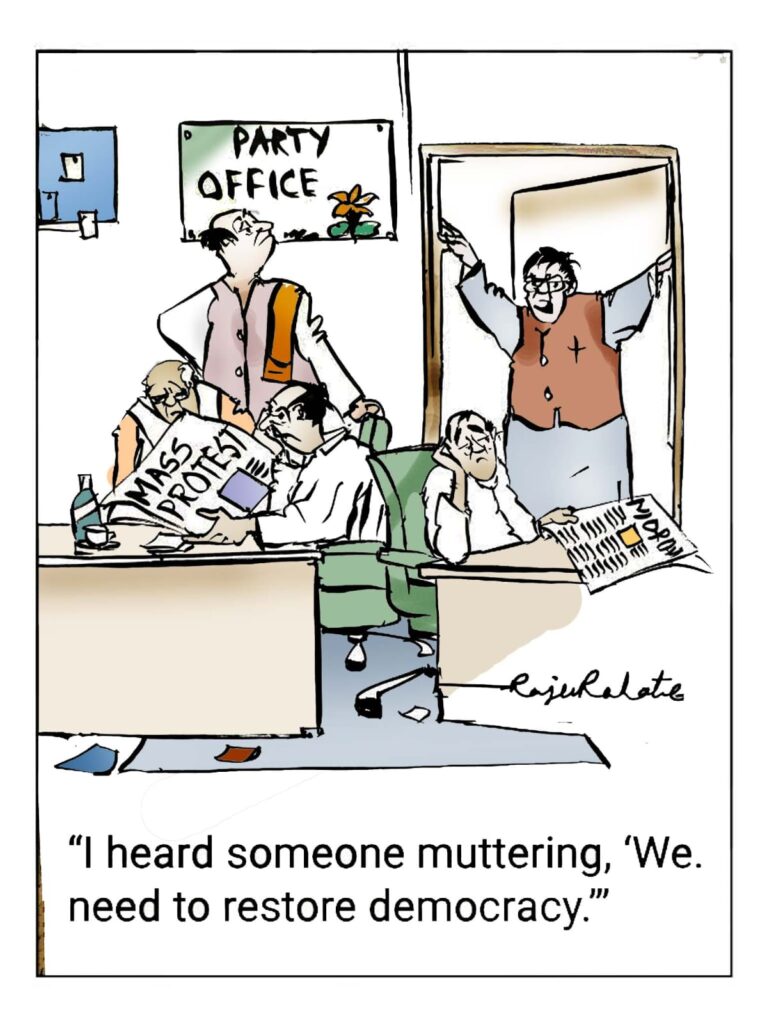
The Boxing Federation of India faces a leadership showdown on 28 October, with rival officials disputing each other’s authority, mutual suspensions and allegations of financial irregularities threatening to overshadow the country’s recent success in international boxing.
The proposed special general meeting (SGM) will consider a no-confidence motion against federation president Ajay Singh, brought by secretary-general Pramod Kumar. But the meeting itself has become a point of contention, with Singh questioning its legality and warning of disciplinary action against members who attend.
The confrontation escalated on October 13 and 14, when Singh suspended Kumar pending an inquiry into alleged financial irregularities, non-cooperation with investigations and misuse of authority. Kumar responded by issuing an order suspending Singh pending the outcome of the proposed no-confidence motion. Both sides have accused each other of violating the federation’s constitution. The allegations remain contested.
The dispute has since widened beyond the two office-bearers. A faction opposed to Singh has claimed that eight executive committee members backed resolutions revoking Kumar’s suspension and appointing senior vice-president Rajesh Bhandari as acting president. The federation’s executive director, Colonel (retd) Arun Malik, rejected the purported meeting and its decisions, arguing that it had not been convened in accordance with the constitution. The rival claims leave the federation facing a fundamental question: who has the authority to run it?
Financial management has emerged as a central issue in the dispute. Singh’s suspension order cited a claim of approximately ₹1.5 crore from Pinnacle Broadcast Productions for broadcasting services at the World Boxing Finals Cup held in Greater Noida in November 2025. According to the order, the company disputed an earlier representation that it had committed ₹2 crore towards sponsorship and broadcasting. The order also questioned a work order allegedly issued without finance committee approval. These are allegations cited in the internal proceedings, not established findings of wrongdoing.
Kumar has, in turn, accused Singh of exercising excessive control over the federation, taking decisions without the required approvals and disregarding constitutional procedures. Singh has rejected the challenge to his authority, maintaining that the proposed meeting is unconstitutional. Both camps claim support among affiliated state units.
The immediate test will be whether the October 28 meeting can proceed and whether the no-confidence motion secures the required support. Kumar has claimed backing from a two-thirds majority of the federation’s 34 member units, the threshold he says is necessary to remove Singh and seek fresh elections. Singh’s camp disputes the legitimacy of the proposed proceedings.
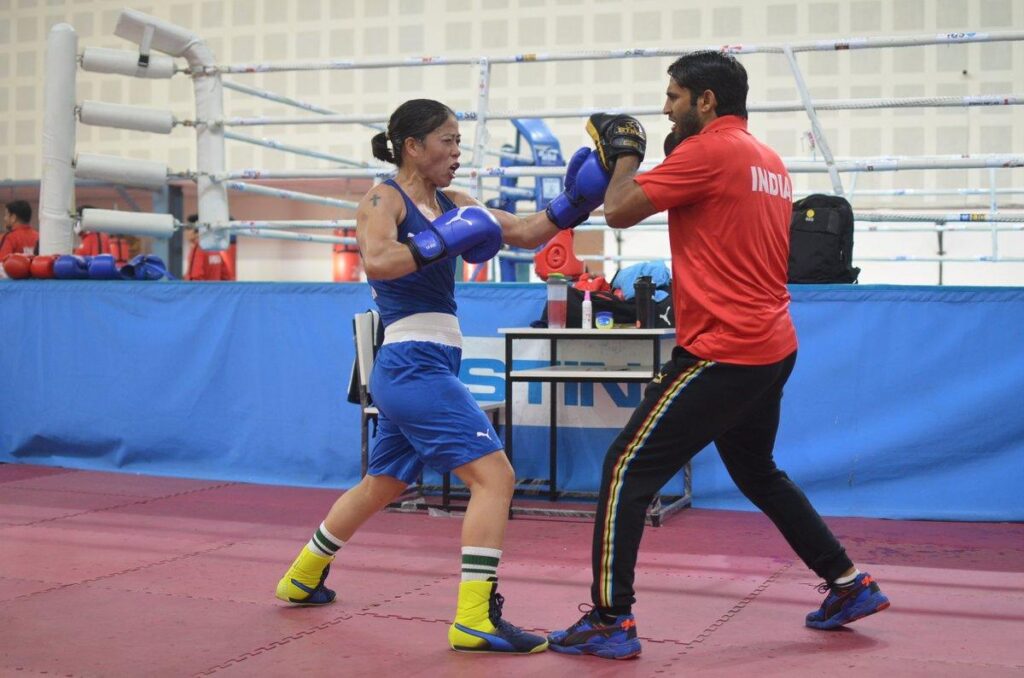
The conflict has prompted former boxers and award-winning coaches, including Mohammed Ali Qamar and Manoj Kumar, to call for accountability, unity and a comprehensive national plan for boxing. Their intervention highlights the wider concern that an administrative battle could divert attention from athlete development and preparations for future international competitions.
The episode also raises questions about governance in national sports federations: how constitutional powers are exercised, how financial decisions are scrutinised, and what safeguards protect athletes when elected administrators are locked in a struggle for control.
The October 28 meeting could mark a turning point, but a change of leadership alone would not resolve those questions. Transparent accounts, clearly defined authority, independent scrutiny and functioning grievance mechanisms are essential if the federation is to restore confidence among athletes, coaches and state associations.
For India’s boxers, the priority remains preparation and performance. Whether the federation can put those interests ahead of its internal conflict is the larger test.