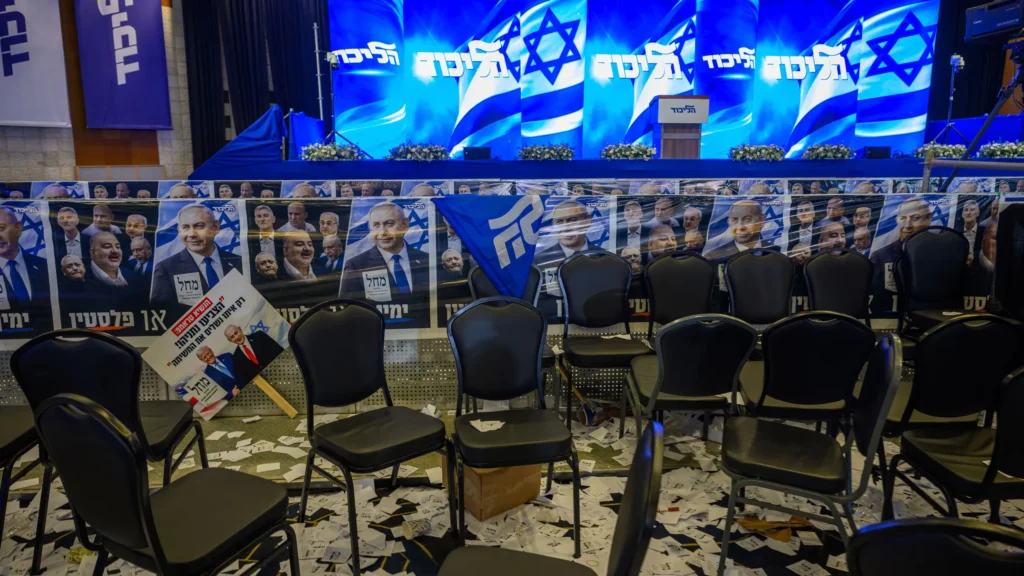
Israeli Prime Minister Benjamin Netanyahu is facing a major political setback after the country’s general election produced a hung parliament, leaving neither the ruling alliance nor the opposition with the numbers needed to form a government. Netanyahu’s Likud-led bloc has secured 53 seats in the 120-member Knesset, against 48 for the opposition alliance led by former military chief Gadi Eisenkot. Arab-led parties have won a combined 19 seats, making them potential kingmakers in the government-formation process.
The results represent a substantial reversal for Netanyahu, whose coalition controlled 68 seats in the outgoing parliament. The election, held on October 27, was widely viewed as a referendum on his leadership following the Hamas-led attacks of October 7, 2023, the subsequent war in Gaza and mounting criticism of his government’s security record.
According to Israel’s Central Elections Committee, 5,716,665 votes were cast, representing a turnout of 77.9 per cent. The strong participation and the unprecedented performance of Arab-led parties have significantly altered the country’s political arithmetic.
Vote-theft Allegations
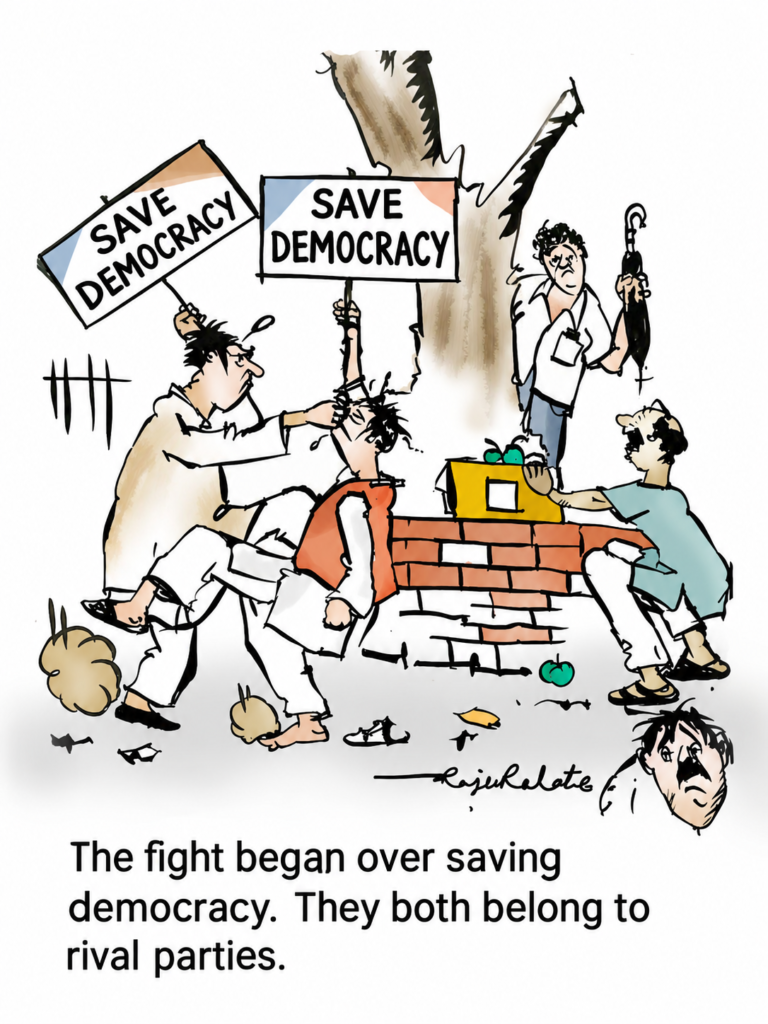
Rather than accepting the result as a straightforward electoral setback, Netanyahu’s Likud party has alleged widespread irregularities, including bribery, double voting and foreign interference. It has claimed that the election was effectively stolen and demanded an investigation into alleged financial assistance to Arab-led parties.
Qatar has been mentioned in Israeli media reports as a possible source of funding. Its Foreign Ministry spokesman, Majed al-Ansari, rejected the allegations, describing claims of interference as ridiculous and dangerous.
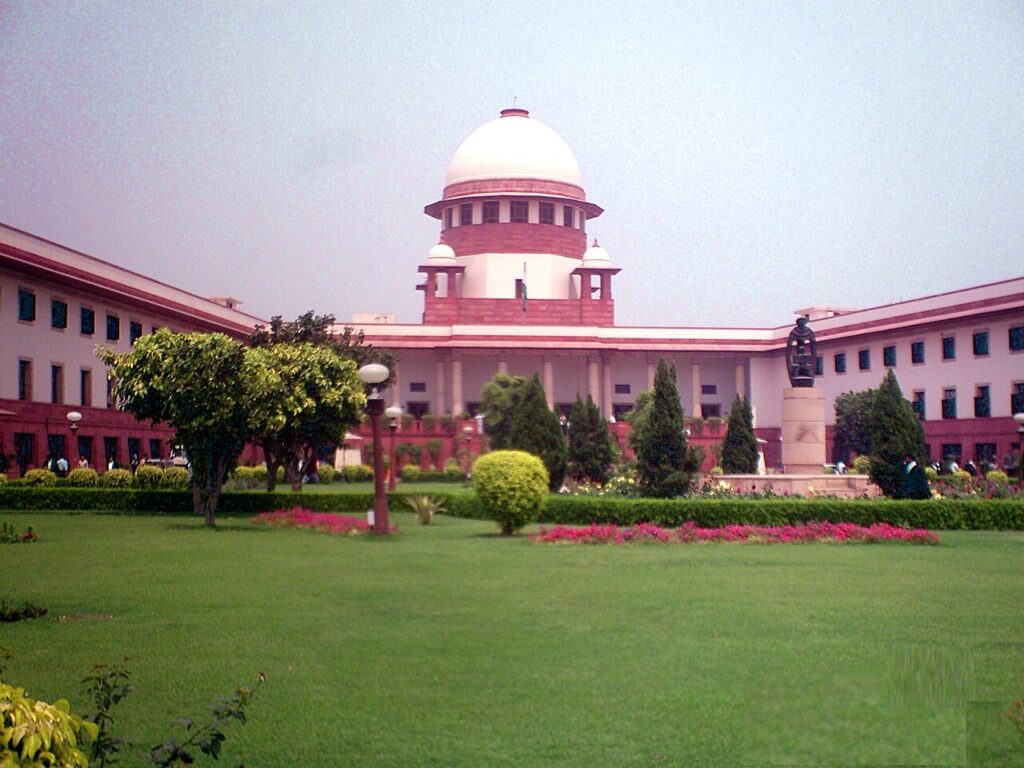
The controversy intensified after Supreme Court Justice Noam Sohlberg, chairman of the Central Elections Committee, referred suspicions of foreign interference to the Shin Bet domestic intelligence agency.
However, an investigation does not establish that electoral fraud occurred. Acting committee director-general Dean Livne rejected claims of systematic voting irregularities and indicated that the allegations did not justify questioning the overall integrity of the election.
The Shin Bet has also cautioned against casting suspicion on an entire community because of an investigation into possible foreign involvement.
The distinction is important. Foreign interference, if established, would constitute a serious security concern. But unsubstantiated allegations cannot be treated as proof that votes were manipulated or that Arab citizens participated in organised wrongdoing.
Arab Parties Emerge as Kingmakers
The biggest political development is the combined 19-seat performance of the Joint List and Mansour Abbas’s Ra’am party. Arab citizens constitute approximately one-fifth of Israel’s population, but their influence in national coalition politics has traditionally been limited.
Their electoral success reflects growing dissatisfaction with the outgoing government, concerns over discrimination and opposition to the influence of far-right parties.
There is a precedent for Arab participation in government. In 2021, Ra’am became the first independent Arab party to join an Israeli governing coalition under Naftali Bennett. That arrangement lasted approximately 18 months before collapsing.
The present result gives Arab representatives considerably greater bargaining power. Their support could potentially enable Netanyahu’s opponents to form a government, although ideological differences remain a major obstacle.
Eisenkot’s Difficult Choice
Eisenkot’s opposition alliance has a possible route to a 67-seat majority if it secures the support of both Arab-led parties. But the numbers do not automatically translate into a workable government.
Several opposition leaders have previously expressed reservations about formally including Arab parties in a coalition. Their positions on national security, the Palestinian question and the future of Gaza differ considerably from those of Arab political representatives.
One possibility is an opposition-led minority government supported by Arab parties from outside the cabinet. This could provide the parliamentary numbers needed to remove Netanyahu without requiring a formal coalition agreement.
Another option is a national unity government involving Likud and centrist opposition parties. However, this would probably require Netanyahu to abandon his far-right coalition partners and accept substantial political compromises.
A third possibility is Netanyahu attempting to attract opposition lawmakers and rebuild his majority. His considerable experience in coalition negotiations makes this conceivable, although the election has clearly weakened his bargaining position.
What Happens Next?
President Isaac Herzog will consult political parties after receiving the certified results and nominate the candidate he believes has the best chance of forming a government.
Under Israel’s coalition-formation procedure, the designated candidate initially receives 28 days to assemble a majority, with a possible extension. If successive attempts fail within the prescribed period, another general election could become necessary.
The new Knesset is expected to convene on 10 November. Until a successor government is formed, Netanyahu will remain prime minister in a caretaker capacity.
A Referendum on Netanyahu’s Leadership
The election cannot be understood simply as a contest between two political blocs. It reflects deeper dissatisfaction with Netanyahu’s handling of Israel’s security, domestic politics and international standing.
The Hamas attack of October 2023 exposed serious failures in intelligence and security arrangements. The subsequent Gaza war, the fate of Israeli hostages and the absence of a durable political settlement have continued to dominate public debate. Netanyahu also faces longstanding corruption charges, which he denies.
For Israel’s Arab minority, the election represents a significant demonstration of political influence. Whether that translates into meaningful participation in government remains uncertain.
The immediate challenge, however, is to prevent electoral divisions from turning into a deeper crisis of democratic legitimacy. Netanyahu may have lost his parliamentary majority, but his political survival is not yet over. Much will depend on whether the opposition can overcome its internal differences and accept Arab parties as legitimate political partners. Israel has voted for change, but has yet to produce a government capable of delivering it.