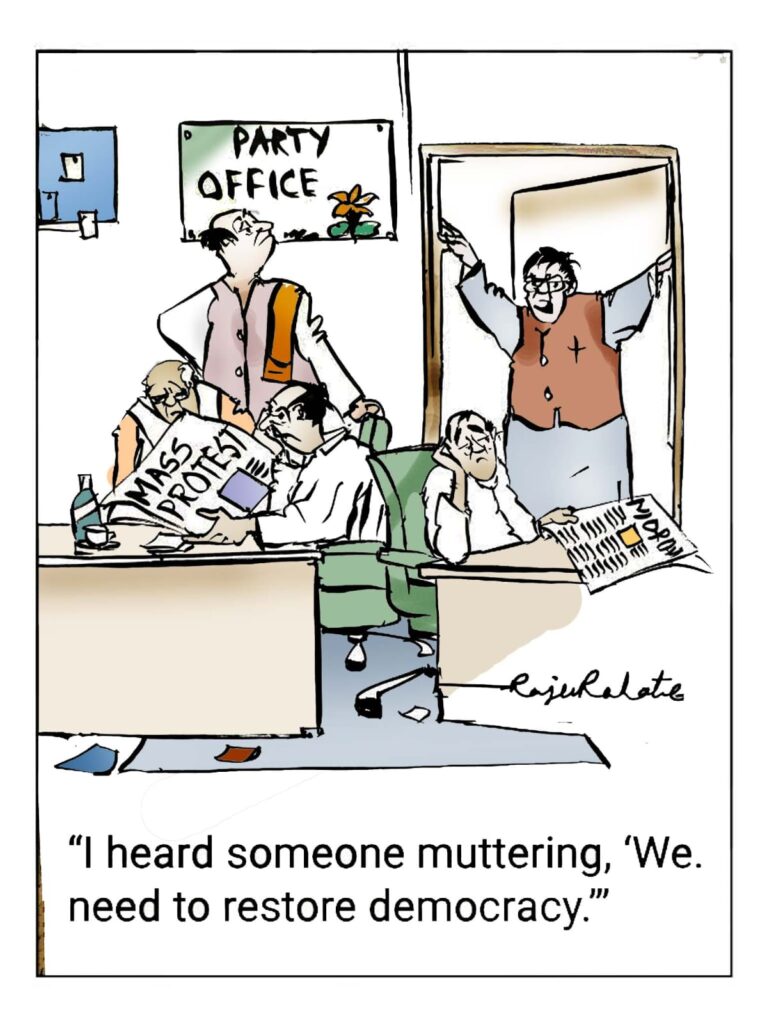
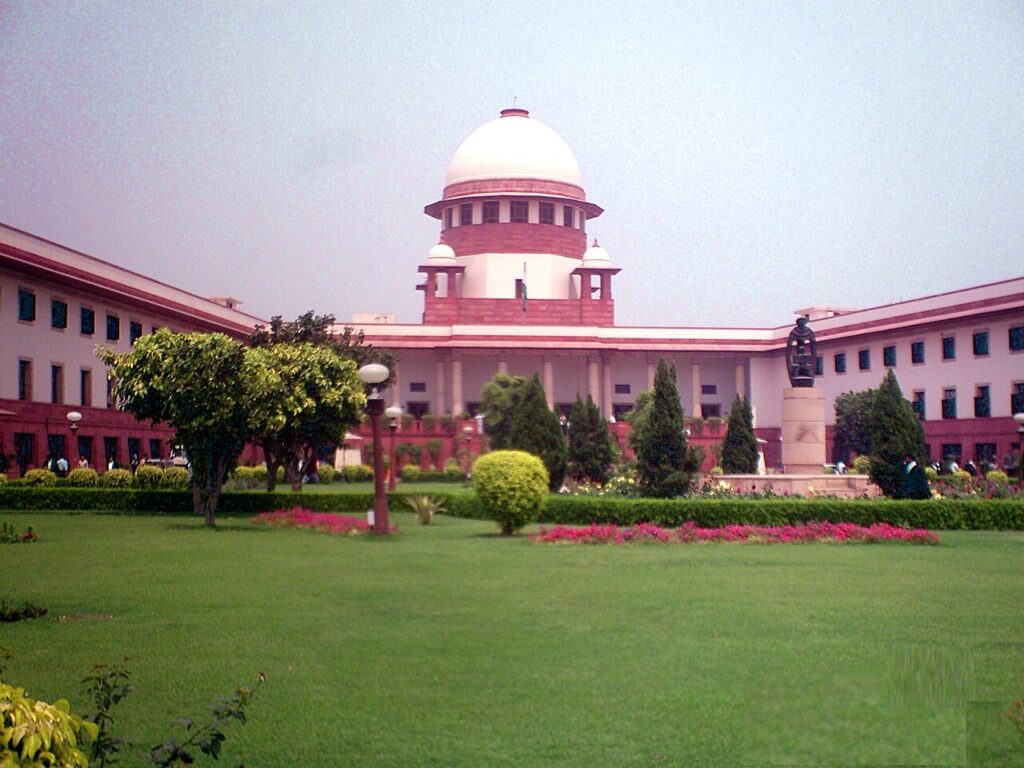
The Supreme Court has drawn a firm constitutional boundary between the legislative powers of a state and the authority of the judiciary, striking down a Karnataka law that sought to revive a civil services recruitment process that had previously been cancelled over allegations of widespread corruption and nepotism.
In a significant judgment delivered on October 29, 2026, a Bench of Justices J.B. Pardiwala and K. Vinod Chandran declared unconstitutional the Karnataka Civil Services (Validation of Selection and Appointment of 2011 Batch Gazetted Probationers) Act, 2022. The legislation had sought to validate appointments arising from a 2011 recruitment exercise conducted by the Karnataka Public Service Commission (KPSC), despite the cancellation of the selection process having been upheld by constitutional courts.
The ruling reinforces an important principle: while legislatures can amend laws, including retrospectively in appropriate circumstances, they cannot simply overturn or nullify a final judicial decision through fresh legislation without removing the legal basis on which that decision rests.
The dispute dates back to November 3, 2011, when the Karnataka government announced recruitment for 362 Group A and Group B gazetted probationer posts. As many as 1,38,307 candidates applied, of whom 91,667 appeared for the preliminary examination.
The recruitment process ran into trouble in 2013 after complaints of irregularities prompted the government to withhold publication of the final selection list and order an investigation by the Criminal Investigation Department (CID).
The investigation revealed allegations of manipulation, corruption and nepotism involving KPSC officials. The government subsequently cancelled the entire recruitment exercise.
The cancellation triggered a prolonged legal battle. Although the Karnataka Administrative Tribunal initially set aside the government’s decision, the High Court restored the cancellation order. The Supreme Court declined to interfere with that decision in 2018, effectively bringing the recruitment process to an end.
However, the controversy resurfaced in 2022 when the Karnataka legislature enacted a law validating the original selection and enabling appointments. The government’s stated position was that candidates should not suffer for alleged wrongdoing by officials, particularly when they themselves had not been accused of participating in the irregularities.
The legislation paved the way for 191 appointments. However, its validity was challenged, and the matter eventually returned to the Supreme Court through appeals filed by candidates who continued to contest the cancellation of the recruitment process.
Rejecting the state’s legislative intervention, the Supreme Court held that the original recruitment had not been cancelled merely because of procedural defects. The selection process itself had been found tainted by corruption and blatant nepotism, findings that had already been upheld by constitutional courts.
The Bench referred to earlier judgments establishing that a legislature may change the law retrospectively and remove the basis of a judicial decision, subject to constitutional limitations. What it cannot do is directly annul a final judgment or reverse the rights and liabilities determined between parties by the courts.
The judgment also referred to the Supreme Court’s earlier decision in the Cauvery water dispute, which warned that allowing governments to override judicial decisions would sound the death knell of the rule of law.
The Bench was particularly critical of the Karnataka High Court’s handling of challenges to the 2022 legislation, expressing “a little bit of surprise and a lot more alarm” at the manner in which the petitions had been dealt with.
The consequences of the ruling are substantial. The Supreme Court set aside the 2022 Act and the High Court judgments under challenge. Appointments made under the legislation stand invalidated.
However, the court sought to balance the consequences for candidates who were not found to have been involved in the irregularities. It directed the Karnataka government to notify fresh recruitment for existing vacancies in Group A and Group B services under the prevailing recruitment rules. Candidates from the 2011 exercise who were not found involved in irregularities, along with the six appellants and eligible petitioners before the Karnataka Administrative Tribunal, will receive a one-time age relaxation for the fresh recruitment process.
Those selected in the fresh recruitment will receive seniority only from their respective dates of appointment and will not be entitled to back wages or notional appointments for the intervening period. However, for those currently serving who are selected again, their previous service will count towards pension and retirement benefits.
The judgment does not declare that legislatures cannot retrospectively amend laws. It distinguishes changing the law to remove the foundation of a judicial ruling and using legislation to defeat a specific judicial decision.
That distinction lies at the heart of India’s constitutional separation of powers. The legislature makes the law, the executive implements it and the judiciary determines its constitutional validity. None can claim unlimited authority over the others.
Karnataka’s attempt to validate a cancelled recruitment process has therefore become a larger constitutional test of the limits of legislative power. The Supreme Court’s message is clear: a government cannot use its legislative majority to make an adverse judicial verdict disappear.