Iran and the United States remain locked in a prolonged conflict, with indirect diplomatic contacts continuing but no publicly confirmed breakthrough towards a comprehensive settlement. Tehran says it remains open to negotiations, while Washington insists that any agreement must address Iran’s nuclear programme. The immediate danger is that the diplomatic stalemate could give way to renewed military action.
Iranian Foreign Ministry spokesperson Esmail Baghaei said on October 25 that messages were still being passed between Tehran and Washington through intermediaries. He said Iran had not closed the door to diplomacy but rejected what Tehran regards as US demands for its complete surrender.
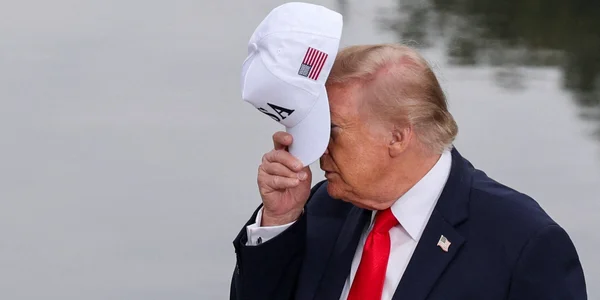
US President Donald Trump said on the same day that there would be no American strike against Iran that day. His statement was not an announcement of a ceasefire or a commitment to refrain from future attacks.
The following are the principal developments shaping the confrontation.
1. Diplomacy continues, but the two sides remain far apart
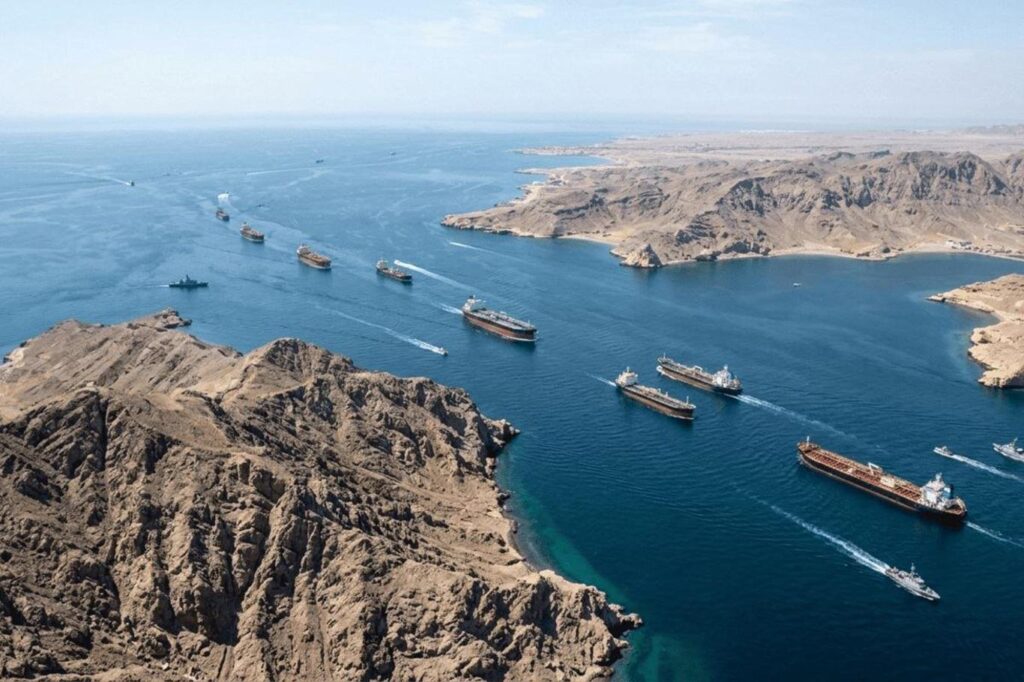
Regional officials and US officials told the Associated Press that intermediaries were continuing efforts to negotiate an agreement to end the fighting and restore shipping through the Strait of Hormuz. Iran has proposed reopening the strategic waterway within seven days in return for the lifting of the US naval blockade of Iranian ports, the release of frozen Iranian assets and sanctions relief affecting its oil exports.
Washington has not accepted the proposal on those terms. US officials have insisted that nuclear issues must be addressed, including access for international inspectors. The two sides also disagree over the sequence of concessions and which should act first.
The diplomatic channel therefore remains open, but there is no confirmed agreement on the core conditions needed to end the conflict.
2. Strait of Hormuz: attacks on commercial shipping reach a record
Commercial shipping has emerged as one of the conflict’s most consequential fronts. Reuters reported on October 23, citing data compiled by the Washington Institute for Near East Policy, that there had been 28 confirmed and reported attacks on ships in October in the Strait of Hormuz and surrounding waterways. The cumulative figure since the US-Israeli war with Iran began on February 28 had reached 113.
The International Maritime Organization had recorded 120 incidents in the Strait of Hormuz and the wider Middle East since the conflict began. A Reuters review found that more than 30 very large crude carriers had been damaged, including 11 in October. The figures use different reporting methods and should not be treated as directly interchangeable.
The UK Maritime Trade Operations agency has warned that incomplete voluntary reporting by shipping companies means the full scale of the incidents may not be known.
The implications extend well beyond the Gulf. The disruption threatens oil shipments, raises shipping and insurance costs and adds uncertainty to global energy supplies.
3. The nuclear dispute remains the central obstacle
The nuclear question remains unresolved and is a major point of contention between Washington and Tehran. In September, the International Atomic Energy Agency’s Board of Governors voted to report Iran’s safeguards non-compliance to the UN Security Council. The decision followed the agency’s inability to verify the status of certain nuclear facilities and materials because of restrictions on inspections.
Iran has argued that military strikes and security concerns have complicated access to affected facilities. The United States and its European partners have demanded renewed cooperation with the IAEA and verification of Iran’s nuclear activities.
The distinction is important: the IAEA’s inability to verify the status of nuclear material is a serious safeguards concern, but it does not, by itself, establish that Iran has built a nuclear weapon.
4. Washington is maintaining economic pressure
US sanctions and restrictions on Iranian oil exports remain part of the pressure campaign against Tehran. The US Treasury’s Office of Foreign Assets Control listed additional Iran-related sanctions actions on 21 October, including measures targeting entities and activities connected with Iran.
The naval blockade and restrictions on Iranian oil sales are also central to the dispute over the Strait of Hormuz. Tehran wants these measures eased as part of a settlement; Washington wants verifiable progress on nuclear issues.
Both sides face economic costs. The Associated Press reported that the conflict has damaged Iran’s economy, while disruption to Gulf shipping and higher oil prices have also imposed costs elsewhere.
5. Israel’s position adds another layer of uncertainty
Israeli Prime Minister Benjamin Netanyahu warned on Sunday that Iran or its regional allies could attempt an attack ahead of Israel’s elections and said the Israeli military was prepared to defend the country and strike back.
Separately, Israeli broadcaster Channel 12 reported a confrontation between Netanyahu and military chief of staff Eyal Zamir over an Iran-related directive. The report did not specify the directive. Netanyahu dismissed the account as nonsense, and the military had not immediately commented, according to the Associated Press.
These reports demonstrate the sensitivity of Israel’s security calculations, but they do not establish that a new Israeli attack on Iran has been ordered.
What happens next?
The immediate questions are whether intermediaries can secure agreement on reopening the Strait of Hormuz, whether Washington will ease its blockade or sanctions, and whether Tehran will permit the nuclear inspections required by the United States.
There is no publicly confirmed comprehensive deal as of the latest reporting reviewed for this article. Nor does President Trump’s statement that the United States would not strike Iran on Sunday establish that the threat of further military action has passed.
For India, the stakes include crude oil prices, shipping costs, energy security and the safety of Indian seafarers and commercial vessels operating in the wider Gulf region. Any sustained disruption to the Strait of Hormuz could have consequences for Indian import costs and the wider economy.