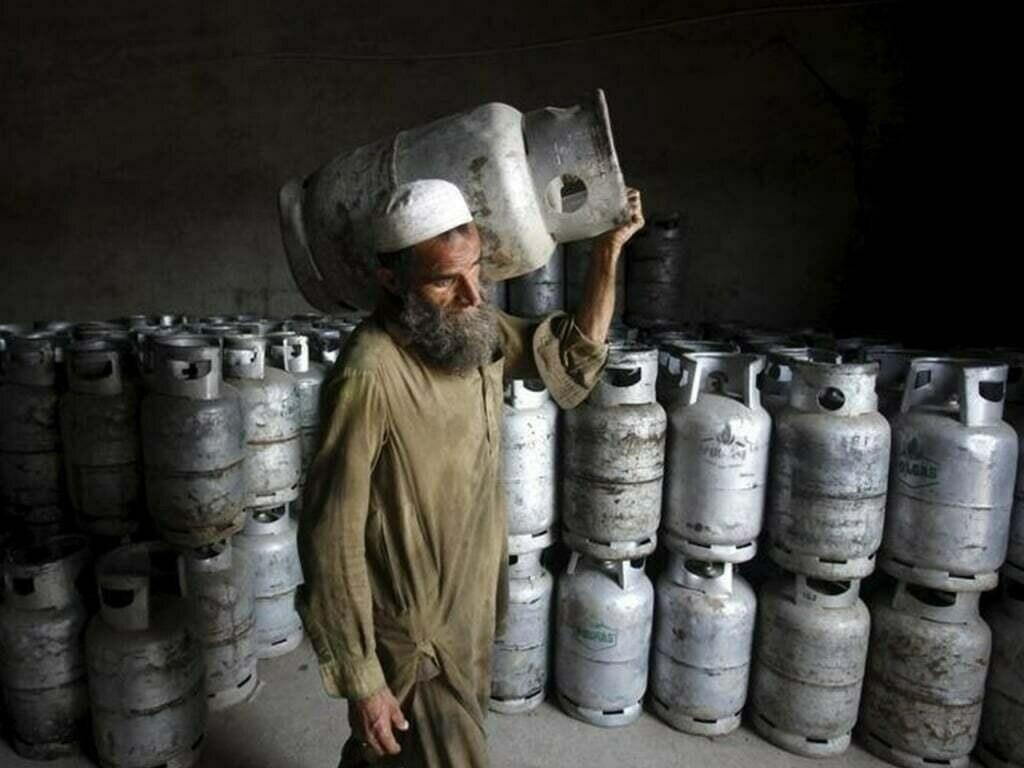
Pakistan’s imports of liquefied petroleum gas (LPG) from Iran have been disrupted following the suspension of trade through two key border crossings, triggering shortages and sharp price increases. Iran, however, has denied imposing any restrictions on LPG exports, blaming changes in Pakistan’s import-documentation procedures for the breakdown in cross-border trade.
The disruption began after Pakistan suspended trade through the Gabd-Rimdan and Taftan crossings on October 17. Pakistan’s Balochistan government cited security concerns and efforts to curb smuggling, while Iran initially attributed the disruption to technical issues, according to reports by Reuters and Pakistani newspaper Dawn.
The scale of the disruption is significant. Pakistan imports around 7,000 metric tonnes of LPG daily from Iran, according to the Pakistan LPG Association. More than 4,000 tonnes reportedly enter through Gabd-Rimdan alone, said Shamsul Haq, former president of the Gwadar Chamber of Commerce and Industry.
Traders told Reuters on 23 October that imports through the affected routes had halted, leaving hundreds of trucks, including LPG tankers, stranded. The disruption has also affected other commercial cargo, with more than 1,000 Pakistani containers carrying potatoes, bananas and rice reportedly delayed.
Prices surge as supplies tighten
The interruption has driven up LPG prices in several parts of Pakistan. Traders reported that the price of a 12 kg cylinder in Balochistan rose to around 7,000 Pakistani rupees from 4,500 rupees within days.
Pakistan LPG Association chairman Irfan Khokhar told Reuters that the price had reached approximately 7,500 rupees in Lahore and 8,200 rupees in Skardu. These are reported market prices, not a verified nationwide retail average.
The price increases have heightened concerns over household fuel affordability as winter approaches. Traders have warned that shortages could worsen if imports do not resume.
The Gabd-Rimdan crossing reopened on October 22 for Pakistani exports of perishable goods, Reuters reported, but LPG imports remained disrupted at the time of its report.
Tehran rejects allegations of an export ban
On October 25, Iranian Ambassador to Pakistan Reza Amiri Moghadam said Tehran had imposed no restrictions on exports to Pakistan, including LPG.
In a statement posted on X, Moghadam attributed the disruption to changes in Pakistan’s electronic import-form, or E-Form, procedures, saying the changes had made it difficult for traders to dispatch cargo. He added that consultations with Pakistani authorities were under way.
The ambassador also said several hundred LPG trucks had crossed from Iran through Rimdan into Pakistan’s Gabd area but remained there for weeks without being unloaded or cleared.
His account suggests that the immediate bottleneck may involve Pakistani import procedures and cargo clearance rather than a formal Iranian export ban. However, the status of individual consignments and the precise division of responsibility have not been independently established.
Unanswered questions
The available evidence points to a disruption in cross-border trade, not a confirmed Iranian decision to cut LPG supplies. Pakistan’s suspension of trade routes, subsequent clearance problems and changes to import procedures appear central to the dispute.
The immediate test is whether both governments can restore the movement of LPG tankers and clear stranded cargo. Pakistan’s import data, customs-clearance records and confirmation from the LPG industry will be crucial in establishing how much supply has been lost and how quickly normal trade can resume.
Until those details are confirmed, describing the crisis as an Iranian supply cutoff would go beyond the available evidence.