
Good vs Ineffective Parenting
Parenting plays a fundamental role in shaping a child’s mental health, emotional resilience, self-esteem and ability to build healthy relationships. Childhood experiences influence how children understand themselves, interpret the world and respond to stress, rejection and failure. A secure and emotionally supportive family environment provides children with safety, belonging and acceptance, helping them develop confidence, independence and the ability to cope with life’s challenges. Conversely, constant criticism, comparison, emotional neglect, unpredictable discipline or excessive control may contribute to anxiety, insecurity, low self-worth and difficulties with emotional regulation. While parenting is not the sole determinant of mental health, it remains one of the most influential factors in a child’s psychological development. Healthy parenting is not about raising a child who never struggles; it is about equipping them to navigate difficulties, recover from setbacks and develop psychological resilience.
Good parenting balances affection, boundaries, guidance and age-appropriate autonomy. It allows children to express their feelings without fear of humiliation, make mistakes without losing their sense of worth, and experience consequences without feeling rejected. Making their own choices, including mistakes, teaches children responsibility and sound decision-making. Effective parents listen, communicate clearly, maintain consistent expectations and encourage independence while remaining emotionally available. They understand that discipline is most constructive when it teaches responsibility rather than instils fear.
Ineffective parenting may involve excessive criticism, constant comparison with other children, authoritarian control, emotional unavailability, inconsistent discipline or overindulgence. Constant criticism or comparison may make children fearful of failure, while removing every difficulty may prevent them from developing frustration tolerance and problem-solving skills. Similarly, excessive permissiveness, over-pampering or showering children with extravagantly expensive gifts beyond the family’s means may foster entitlement and expectations of special privileges without corresponding effort. Good parenting is defined not merely by intention but also by its impact on a child’s emotional and developmental needs. Ultimately, it combines warmth with accountability, helping children feel accepted while learning that their choices have consequences and responsibility is an essential part of growing up.
Early Bonds Shape Relationships
Children develop expectations about relationships through interactions with their primary caregivers. These early experiences shape how they perceive trust, emotional closeness, safety and acceptance. Secure attachment is more likely when parents respond consistently and sensitively to a child’s emotional needs, enabling them to explore their environment while seeking support when necessary. Conversely, rejecting, inconsistent or emotionally unavailable caregiving may contribute to insecure attachment, influencing how children seek reassurance, manage closeness and respond to conflict later in life.
Parental modelling is equally significant. Children observe not only what parents tell them but also how they handle pressure, disagreements, affection and mistakes. Parents who regulate their emotions, apologise when necessary and resolve conflicts respectfully demonstrate practical emotional skills. Conversely, hostility, manipulation, avoidance or disrespect may normalise these behaviours. Parenting, therefore, is not merely instruction but a continuous demonstration of how relationships function. Children often learn more from their parents’ behaviour and the emotional climate at home than from what they are told.
Parenting Gen Z: A new Set of Challenges?
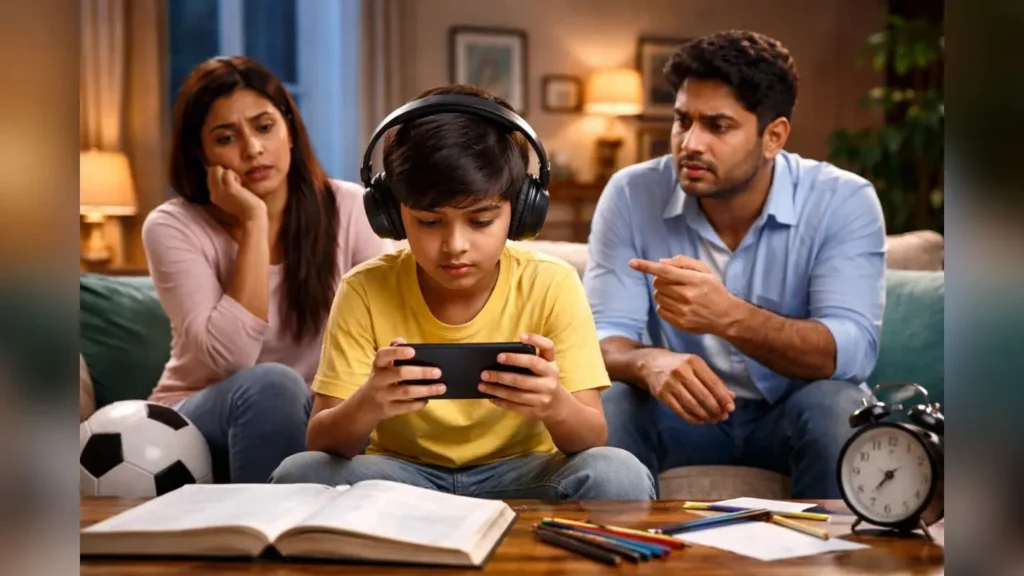
Raising Generation Z presents distinctive challenges because young people are growing up in a technology-driven, social-media-influenced and intensely competitive environment. Their social experiences extend beyond the home and classroom into digital spaces. Online comparison, cyberbullying, body image concerns, FOMO, the pursuit of validation, information overload and pressure to succeed can affect self-esteem and emotional well-being. Academic competition and uncertainty about future careers may further intensify stress.
Parents may find themselves navigating realities that were largely absent during their own childhoods. Consequently, parenting strategies inherited from previous generations may not always work effectively in today’s world. Strict obedience, unquestioned authority and the assumption that children should simply adapt to parental expectations can create emotional distance when young people need dialogue, understanding and opportunities to express their perspectives.
The Upgraded Parent: Adapting to Gen Z’s World
Parents must continually update their knowledge, remain curious about their children’s digital lives and recognise changing social and psychological pressures. This does not mean abandoning traditional values; it means applying them with flexibility and contextual awareness. Overprotection and excessive pampering can restrict independence, while relentless criticism and unrealistic expectations can intensify performance anxiety. A balanced approach combines clear boundaries with meaningful participation in decision-making, encourages responsible technology use and recognises effort alongside achievement.
Most importantly, parents need to model the adaptability, emotional intelligence and balanced use of technology they expect from their children. The objective is neither to control every aspect of a young person’s life nor to withdraw parental guidance, but to prepare them to navigate a complex world with confidence and sound judgement.
When the Generation Gap Deepens: Can Therapy Help?
Disagreements between parents and children are a normal part of development, particularly as adolescents seek greater autonomy and parents attempt to maintain appropriate limits. However, when disagreements become persistent cycles of criticism, defensiveness, withdrawal or misunderstanding, they can affect the emotional well-being of the entire family. Psychological intervention can provide a structured, non-judgemental space in which parents and children understand one another’s perspectives, identify recurring patterns and develop healthier communication strategies.
Family therapy can help parents recognise how their responses influence family dynamics, establish consistent boundaries and negotiate age-appropriate independence. It can also help families move away from blame and towards collaborative problem-solving. Individual therapy may help young people manage anxiety, low mood, academic pressure, identity concerns, relationship difficulties and the psychological impact of online experiences. It can also support parents in managing their own stress and adjusting expectations.
Therapy is particularly useful when communication has deteriorated to the point where everyday disagreements become emotionally charged, or when family members repeatedly struggle to understand one another despite their best intentions. Seeking professional help need not imply parental failure or that something is wrong with the child; it can be a proactive step towards improving family functioning and emotional well-being.
Ultimately, effective parenting is an evolving process that requires reflection, flexibility and a willingness to learn. In a rapidly changing world, the strongest parent-child relationships are built not on unquestioned authority, but on mutual respect, emotional security, open communication and the ability to adapt together.