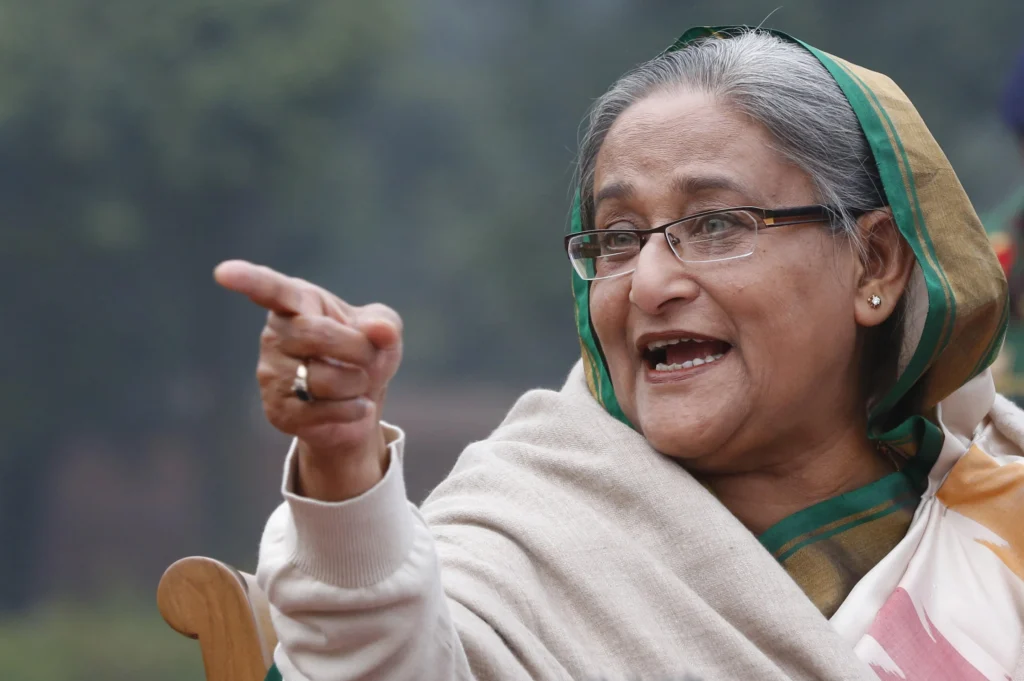
India has categorically told Bangladeshi home ministry officials, who were in New Delhi on October 12-13, why, under the present circumstances, former Prime Minister Sheikh Hasina cannot be extradited to Dhaka.
Under the chairmanship of Union Home Minister Amit Shah, India hosted the first meeting of the Bay of Bengal Initiative for Multi-Sectoral Technical and Economic Cooperation (BIMSTEC) member countries’ Home Ministers in New Delhi on October 12-13 to strengthen regional security and cooperation. While all the member countries were represented by their respective ministers, Bangladesh Home Minister Salauddin Ahmed did not attend the meeting. Bangladesh was represented by a delegation led by Senior Secretary of Home Affairs Manzur Morshed Chowdhury.
Before the ministerial-level meeting, the Union home secretary led the preparatory gathering of senior BIMSTEC officials, which laid the groundwork for the ministerial-level dialogue. Under India’s leadership, the seven member states (Bangladesh, India, Myanmar, Sri Lanka, Thailand, Bhutan and Nepal) signed the Delhi Declaration to solidify action against transnational organised crime. During the finalisation of the Delhi Declaration, a clause on extradition was included. A comprehensive action plan for extraditing “fugitives” is already under consideration by the member states, but Bangladesh has not committed to the issue so far.
When officials from Dhaka raised the issue of extraditing former Prime Minister Sheikh Hasina, Indian officials clearly explained the law of the land. BIMSTEC serves as a vital institutional link between South and South Asia, promoting collective security and economic cooperation. The proposed clause on extradition clearly mentions the need to respect the domestic laws of the respective countries. To date, Bangladesh has not ratified the relevant provisions on extradition. Precisely this was one of the main reasons for convening the Home Ministers’ meeting for the first time.
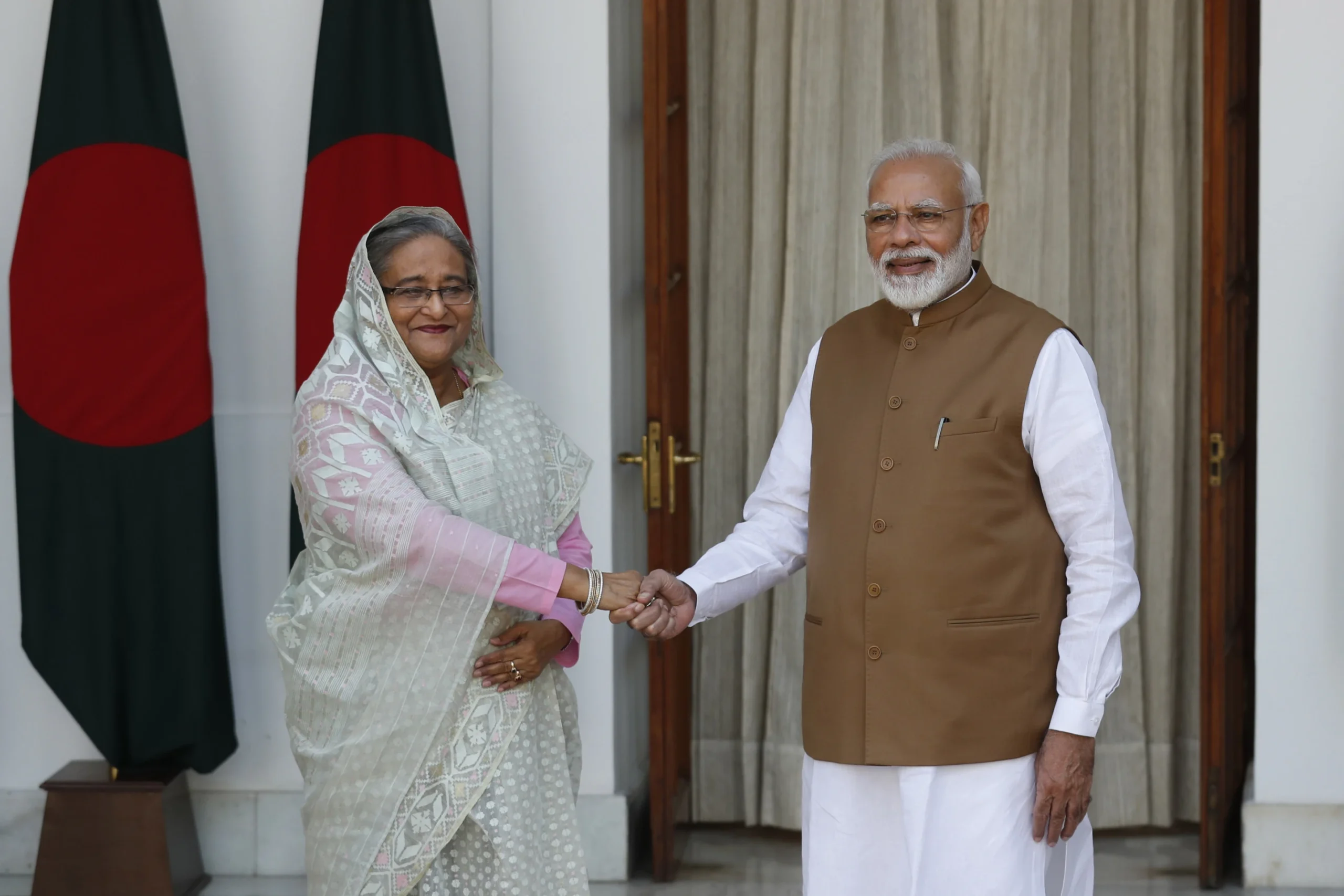
Extradition requests are governed by the Extradition Act, 1962, and the procedural steps are codified in the Act. When a foreign government requests the surrender of a fugitive criminal who is currently hiding within India, the procedure strictly follows Chapter II or Chapter III of the Act. These provisions state that once the foreign state sends a formal requisition through its diplomatic representative, the Central government issues an order to a local magistrate to conduct a formal inquiry. However, this process is preceded by a thorough examination to determine whether the extradition request is legally sound and does not violate initial bars, such as the request concerning a purely political offence.
In the case of Sheikh Hasina, when she arrived in New Delhi, she was still an incumbent prime minister who could not submit her resignation to the President of Bangladesh. The then Bangladesh President, Mohammed Shahabuddin, had clearly told a Dhaka-based newspaper that Prime Minister Hasina could not resign. Therefore, India welcomed a prime minister whose life was in danger, and at that moment, she was not a “fugitive” as described in the Extradition Act. Therefore, the extradition request does not meet the legal criteria for consideration.
This time, the BIMSTEC Home Ministers’s meeting concluded with a consensus on the “Delhi Declaration”, which, among other issues, stresses the effective implementation of the BIMSTEC Convention on Mutual Legal Assistance and urges the early implementation of pending extradition treaties.